



RELIGIOUS TOURISM
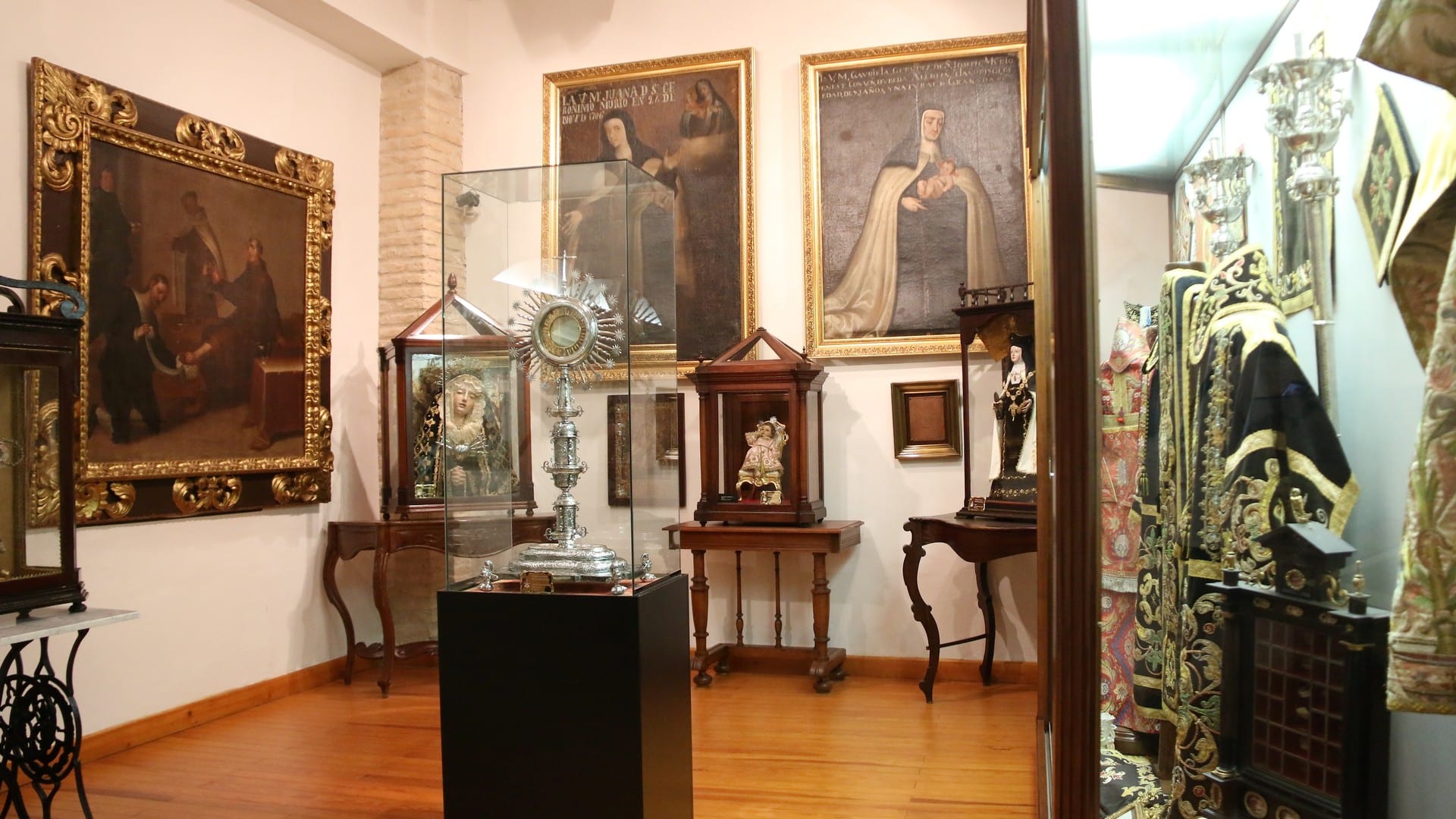
If Úbeda had to be defined with a single slogan, that would be “City for the spirit”, because every corner of the city invites to elevation: few cities are so conducive to the expression of an intimate religiosity and a sense of transcendence. Inescapable in this sense is the imprint of San Juan de la Cruz, a city that built the first temple in the Catholic world in his honor and that today holds an important cultural heritage linked to the saint and poet.
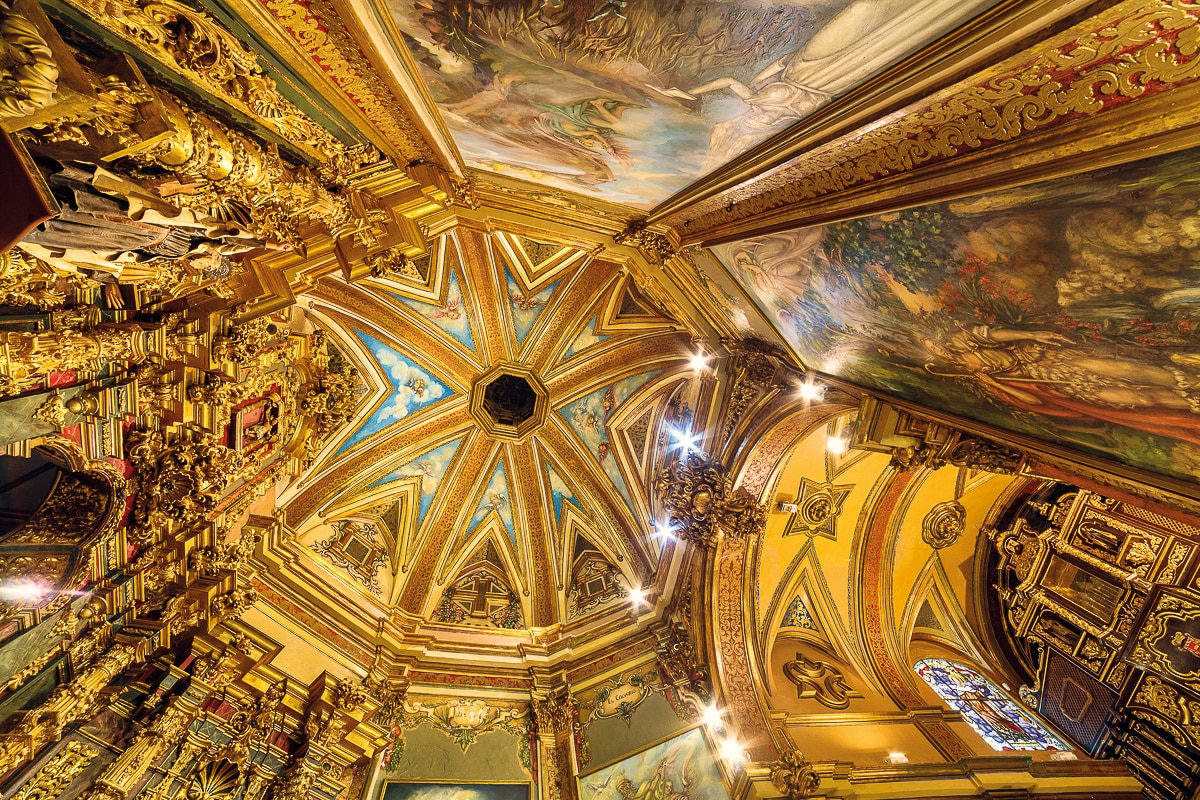
The religious heritage preserved in convents and churches is very rich, and will soon be greatly enriched with the return to the Chapel of El Salvador of the sculpture of San Juanito, recently restored in Florence and the only work of Michelangelo in Spain.
The popular expression of religiosity reaches its culminating point, every year, during the HOLY WEEKa great event with its own profile made of Castilian and Andalusian elements. With almost twenty brotherhoods -several of them centuries old-, Holy Week is a total celebration: an impressive collection of the best imagery of the post-war period, its own gastronomy and a series of deep-rooted traditions, among which the Magna General Procession of Good Friday stands out.
Mostrando 3 de 3 resultados (página 1)
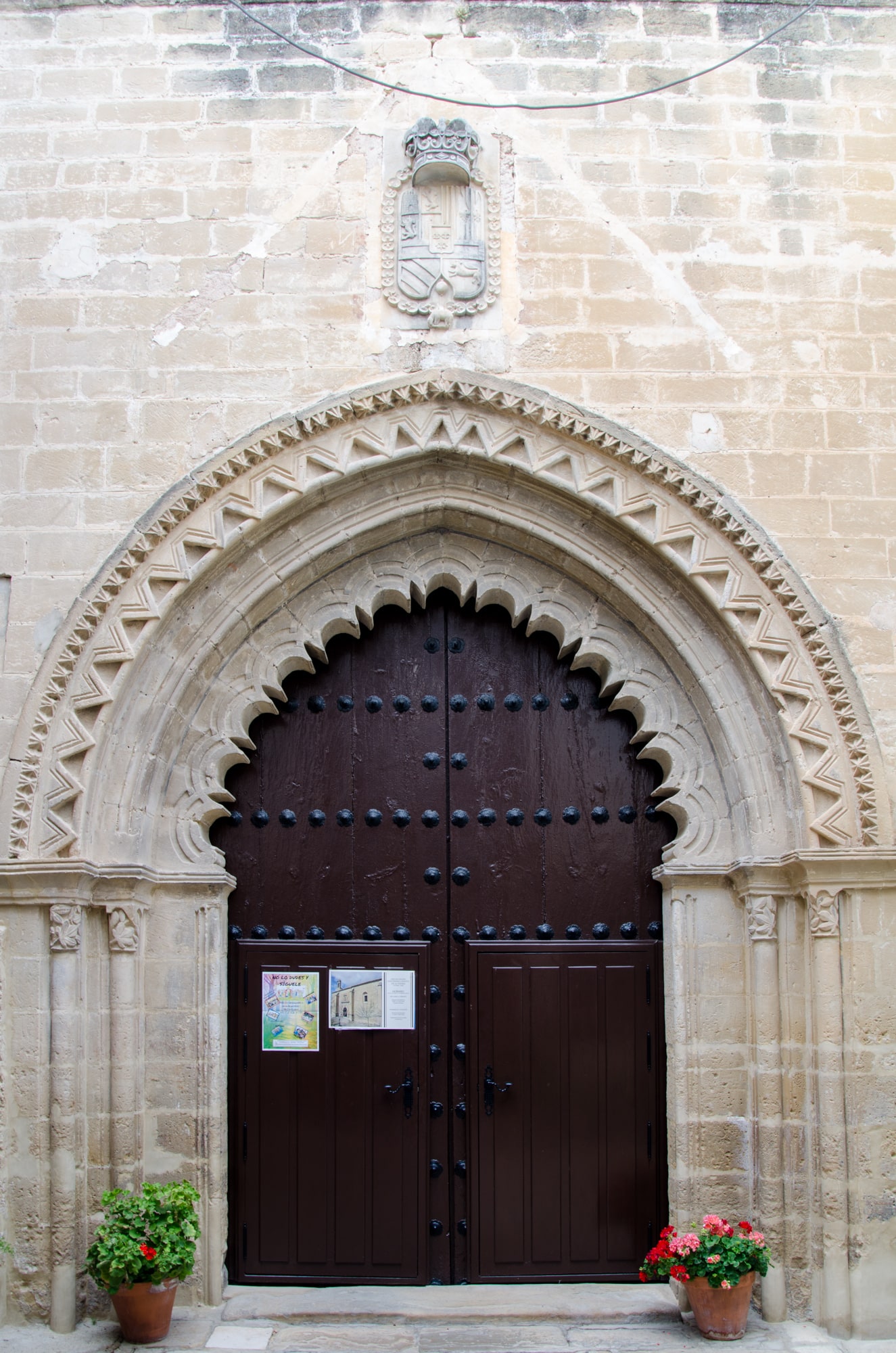

TERESA'S FOOTPRINTS NETWORK
Seit Februar 2026 ist Úbeda die erste Partnerstadt des Netzwerks Huellas de Teresa.
ROUTE OF SAINT JOHN OF THE CROSS
The route of St. John of the Cross in the province of Jaén is a spiritual and cultural itinerary that travels through the places where the mystic lived, wrote and died. In 2026, this route takes on special relevance due to the celebration of the Jubilee Year of St. John of the Cross.
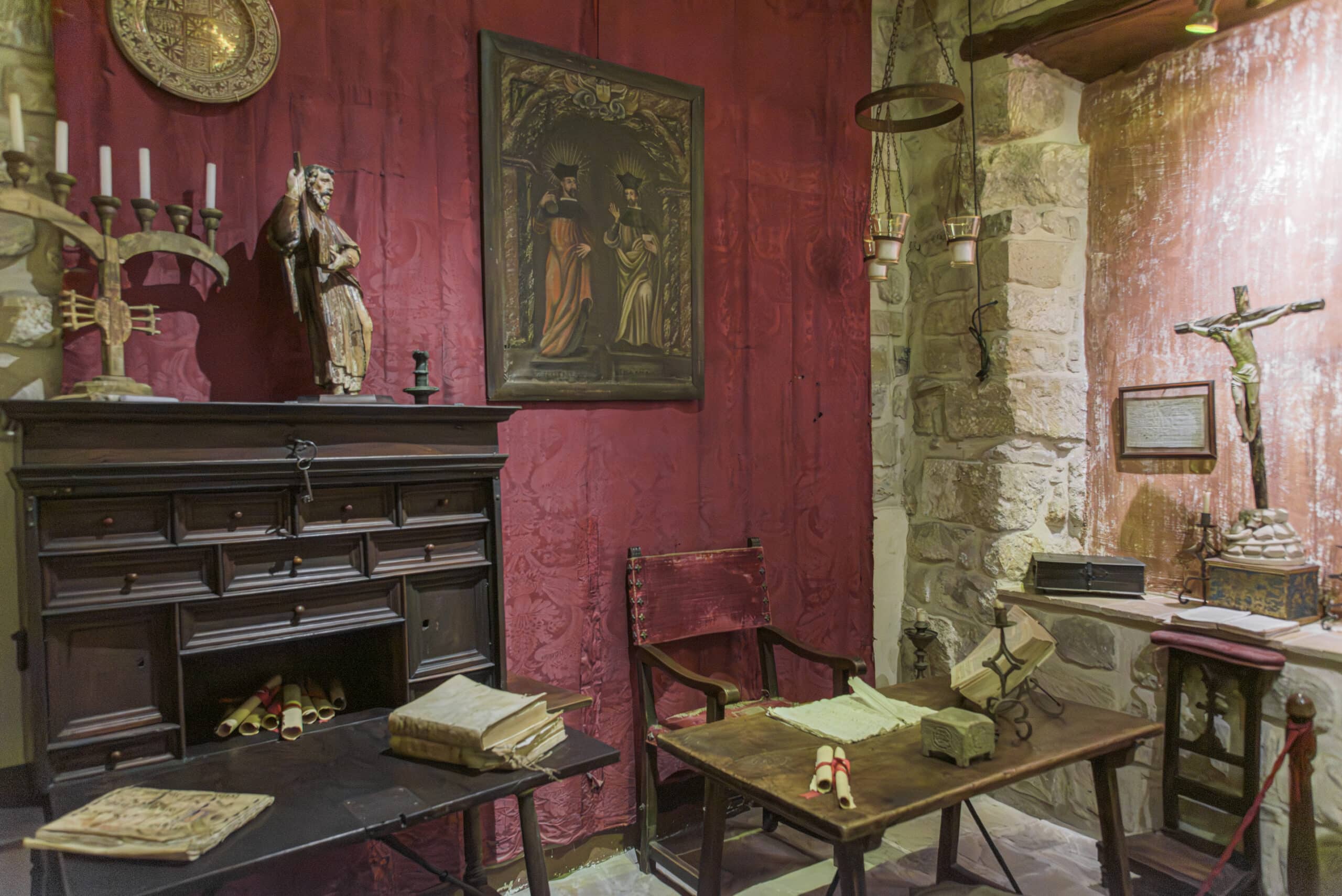
In Úbeda, the place where the saint died and now the main shrine, lies the Museum of Saint John of the Cross, housed in the Convent of San Miguel, where the saint died in 1591. The museum comprises 12 rooms that trace his life and work
JUBILAR YEAR
The Jubilee Year of St. John of the Cross 2026 is a time of special grace granted by the Holy See to commemorate two fundamental historical milestones of the mystic from Avila: the III Anniversary of his canonization (1726) and the I Centenary of his proclamation as Doctor of the Church (1926).
The commemorative events will take place from December 13-14, 2025 until December 26, 2026. Under the motto: “Hope reaches as far as it waits”.
The main venues for the celebrations will be the cities with the strongest San Juanist influence, especially Úbeda (the place of his death), Segovia (where his tomb is located) and Fontiveros (his birthplace).