



About Úbeda
Úbeda is an Andalusian city with a unique personality, where history can be perceived in every corner. Its carefully preserved urban layout reflects centuries of cultural evolution that have given rise to a monumental ensemble of enormous artistic and heritage value.
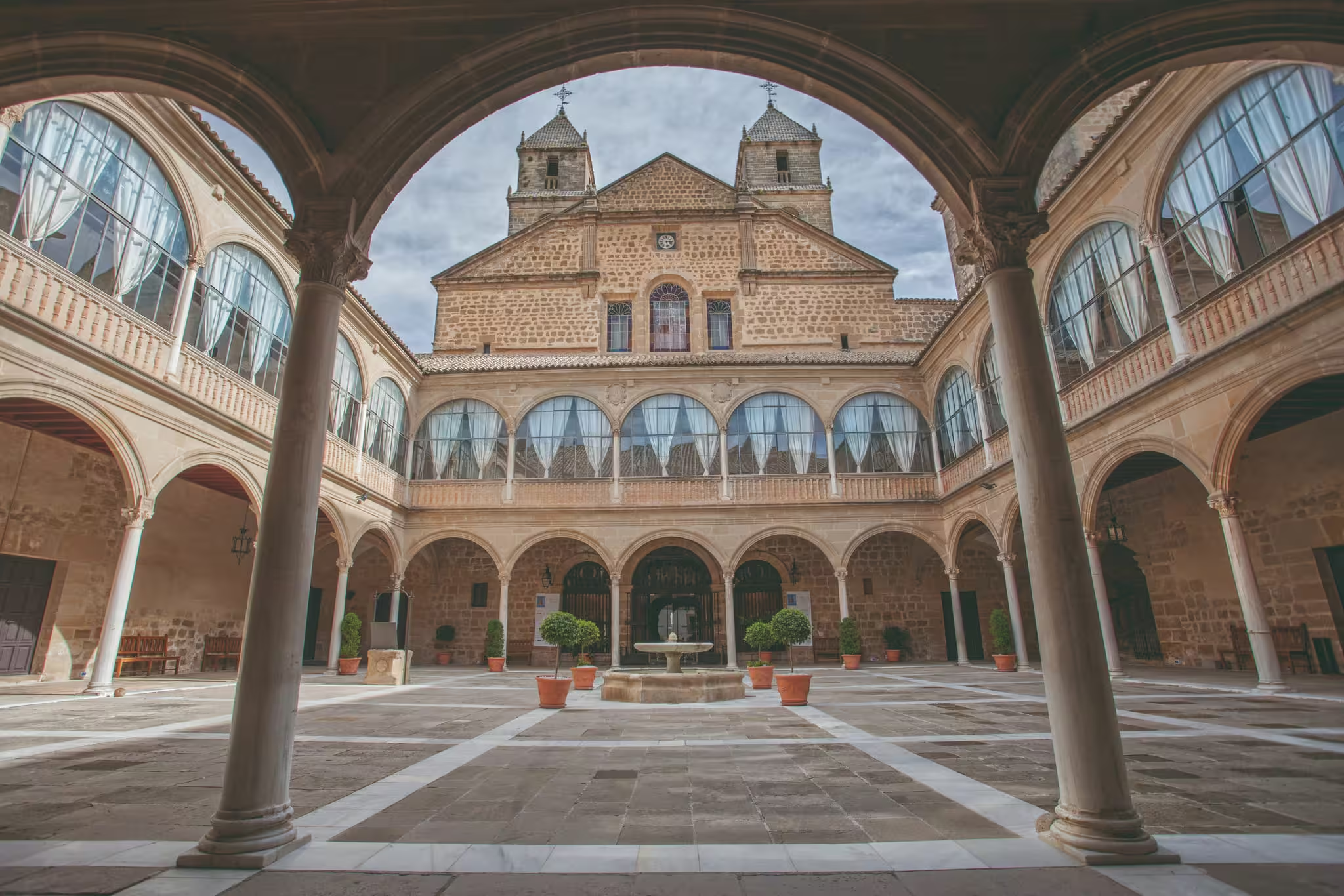
Designated a UNESCO World Heritage Site on 3 July 2003, Úbeda is renowned for the exceptional state of preservation of its Renaissance architecture. This international recognition highlights a heritage that has survived to the present day virtually intact.
During the Renaissance, the city lived a period of great splendor driven by important historical figures. This boom resulted in a profound urban transformation that turned Úbeda into an artistic reference throughout Europe.
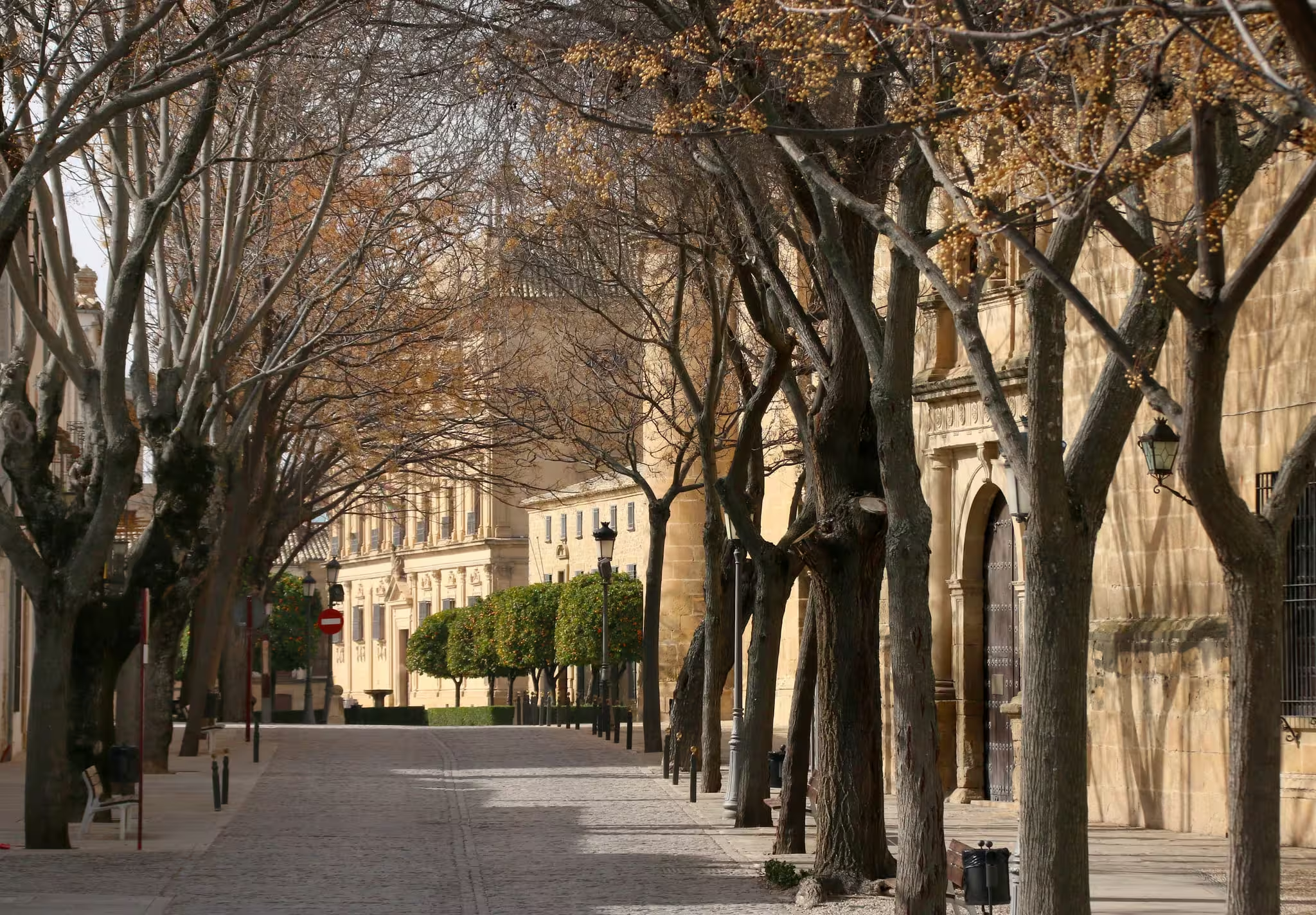
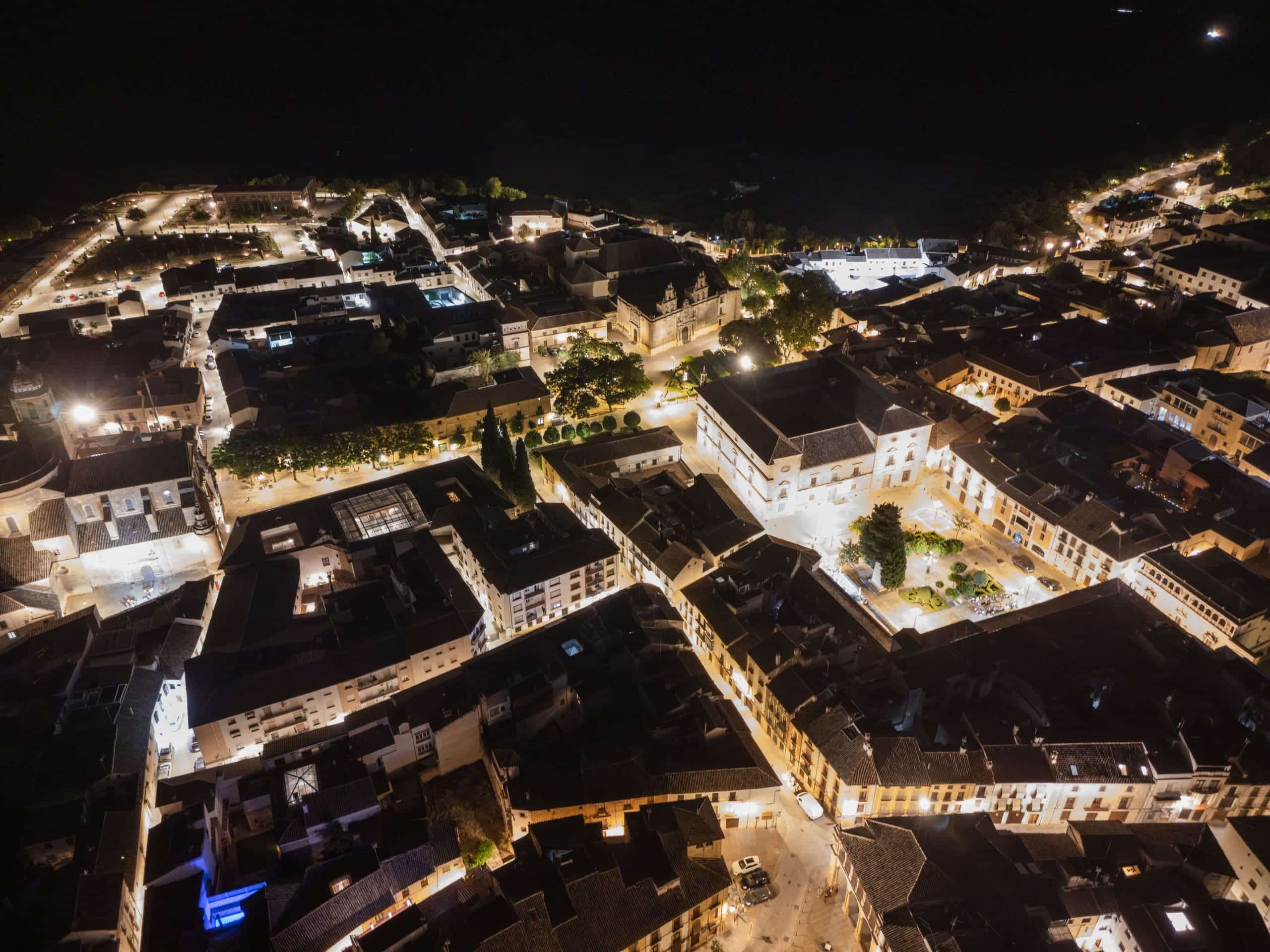
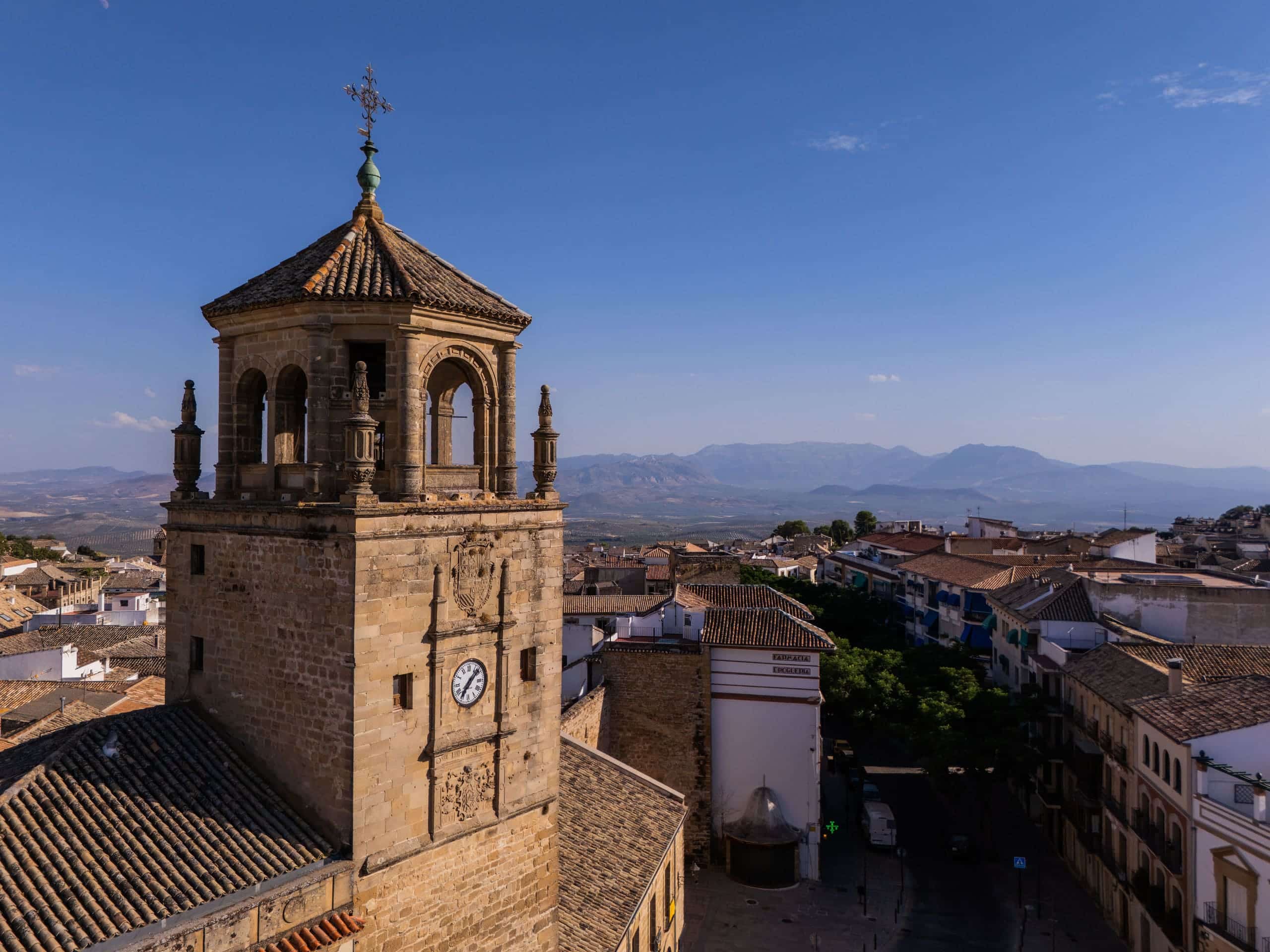
The Plaza Vázquez de Molina symbolizes the monumental soul of the city. It concentrates some of the most representative buildings, creating a balanced and majestic space that surprises both experts and visitors.
Walking through Úbeda is to discover a city designed to be lived calmly. Its cobbled streets, quiet squares and charming corners invite you to get lost and enjoy the surroundings without haste.
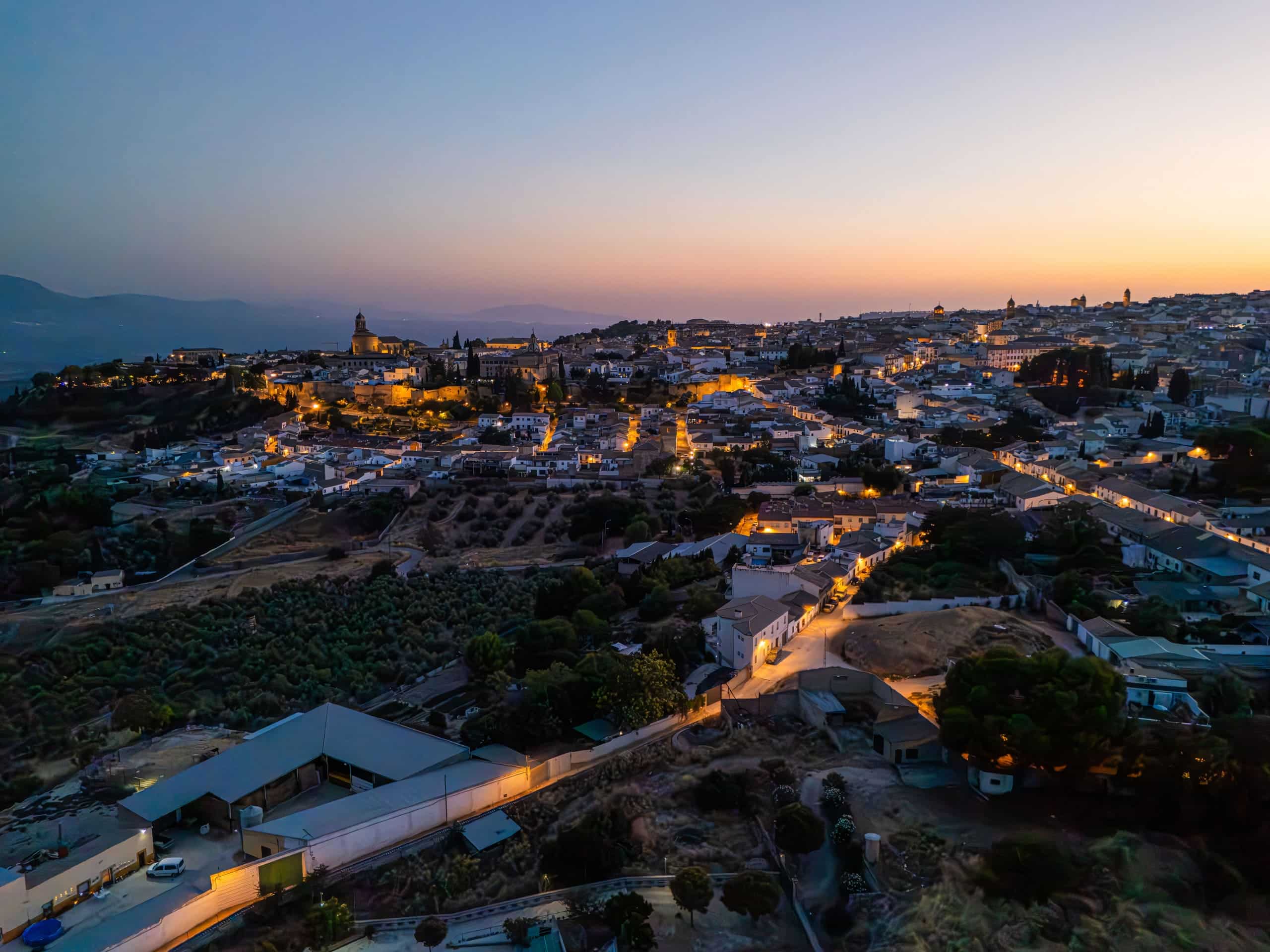
The landscape surrounding the city, dominated by extensive olive groves, is an inseparable part of its identity. From its viewpoints you can get panoramic views that connect the urban heritage with nature.
Úbeda España is also an active cultural center, with a constant program of exhibitions, concerts and activities. This cultural life reinforces its dynamic and current character.
Traditions are kept alive through popular festivals and religious celebrations, which are part of the annual calendar and reflect the deep-rootedness of the community.
Local craftsmanship, especially ceramics, continues to play an important role. Workshops and stores maintain ancestral techniques adapted to the new times.
Úbeda is a city that combines history, culture and quality of life, offering visitors a complete and authentic experience.